


Your Daily Klyk


Latest Articles
 News
NewsUK on track to become the worst culprit for e-waste
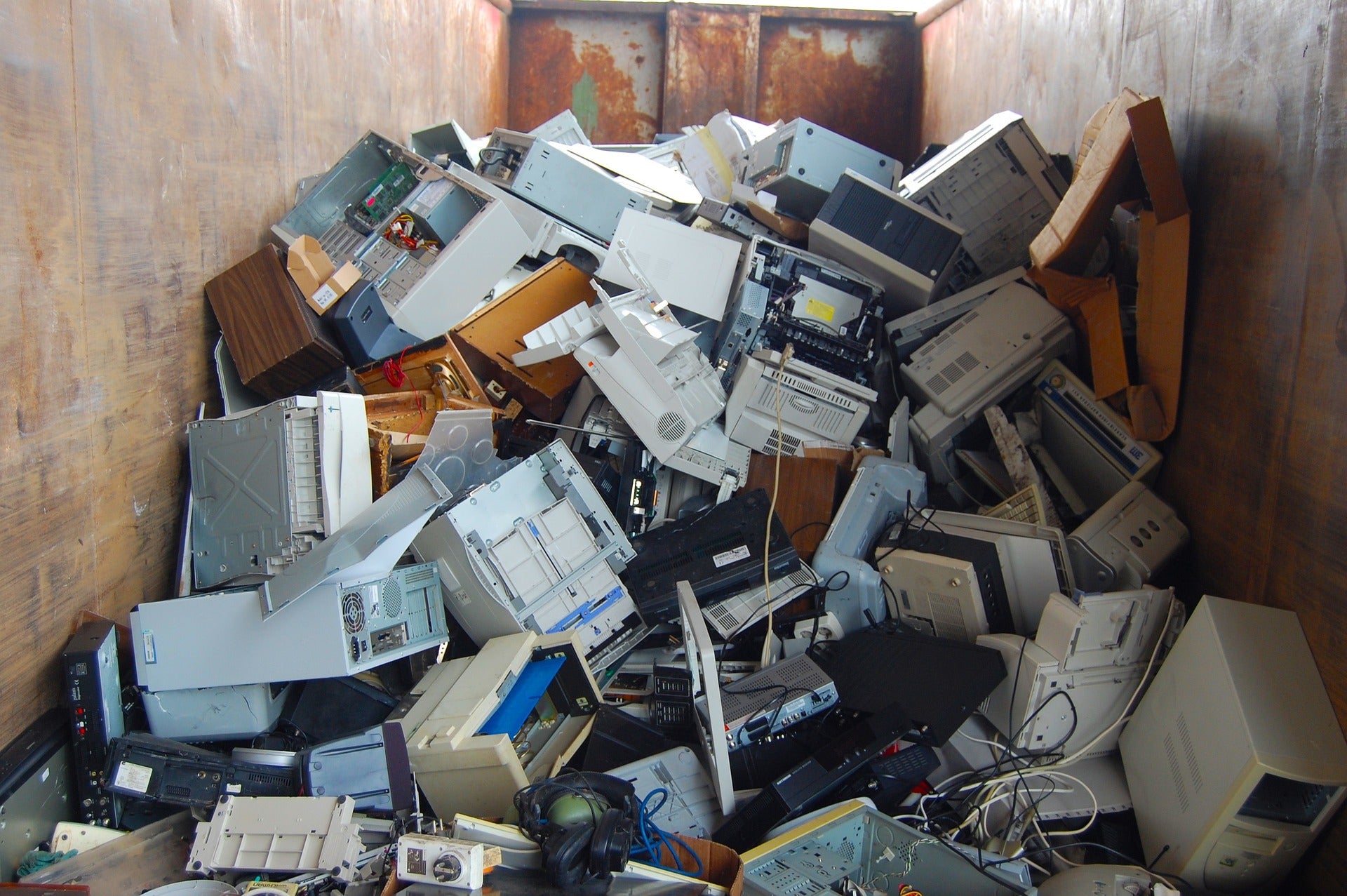
The term e-waste is fairly well known, but few realise the extent of the problem. Per capita, the UK is the second largest producer of e-waste in the world, and unless we take drastic measures over the next year, we will overtake Norway at the top of the table. The ProblemAccording to The Tech-recirculation, the amount of e-waste an average UK citizen produces will rise from 23.9kg to 24.5kg by 2024. Electronic waste isn’t the only issue at play here. Inside these devices are rare materials, often mined in war-torn countries, which eventually end up in landfill. Materials like Gold, Gadolinium & Lanthanum are used in motherboards and other parts of devices, and without being properly recycled some of these rare materials are set to run out by the end of the century. What can you do to help?Currently, only between 2.5 and 10% of electronics in the UK are reused, ranging from monitors to window displays and till systems. Cleaning out your old tech drawer at home and any tech lying around at work is a good idea, so you can recycle or sell any devices that are gathering dust. It doesn’t matter how old your device is or even whether it still works or not – the materials inside the device could be of value to you and the future of our planet. Did you know you could save up to 200kg of CO2 emissions and 1.5kg of e-waste by buying a refurbished laptop instead of a brand new one? This is a smart choice for individuals and an even smarter choice for businesses regularly buying tech for their employees. If you do want to buy a brand new device, you can still make a sustainable choice. Manufacturers such as Apple and Dell are changing the way their products are manufactured to ensure they run more efficiently, while still delivering equivalent performance by using sustainable materials and custom built chipsets. The Impact We can collectively make a difference by becoming more conscious of how we buy and recycle our technology. As a planet, we can become more circular with our buying habits by changing our perspective on used tech, making sure to properly recycle, repair or pass down our tech so it lives longer and we can extract the materials for tech in the future. Have you recycled any tech recently? What’s your company’s approach to sustainability with IT? Get in touch if you would like to learn more.
 News
NewsCES Recap - Ride Into The Future
Although CES doesn't have a big focus on sustainability (yet), we went through the news to find out what some brands are doing to lead a more sustainable future. Find out what we thought were the three most innovative sustainable projects at CES 23
 News
NewsThe Last Laptop You'll Ever Need?
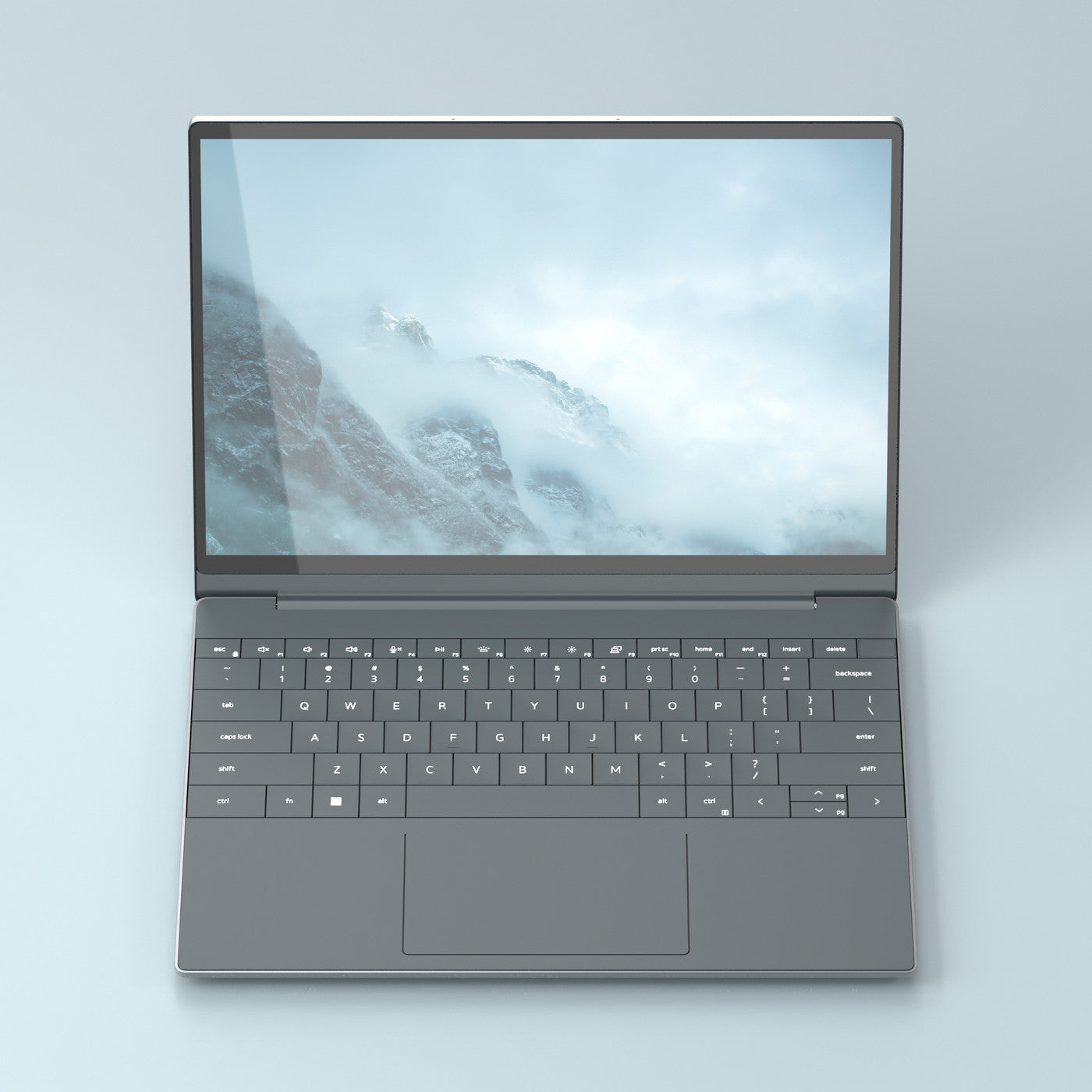
First, gone were the days of consumers being able to repair their own devices. Then gone were the days of repairability, with retailers and manufacturers readily swapping out whole devices for only minor issues. Now we appear to be coming full circle, with the right to self-repair on the legislative agenda. And Dell might just have the solution to how the industry will evolve to meet this challenge. Early movers For many years, Google developed the Project Ara concept phone, whose components can be swapped out depending on the user's needs. Upgrade your camera or battery life within seconds and give your phone a whole new lease of life. But smartphone design changed so rapidly, faster than even a modular phone could keep up with, making this dream short-lived. Similarly, Framework is changing the way we think about upgrading our technology. Framework provides modular laptops that you can upgrade and repair by yourself. No expertise is needed and new component offerings are released on a regular basis. Although Framework laptops have good features, some have questioned their design and solidity, raising the question of the tradeoff between sustainability and the importance of a premium look and feel. Enter Luna Now, Dell has entered the modular space. Concept Luna is the kind of laptop that can be upgraded time and time again, taking a smaller toll on the environment each time. The whole device can be disassembled in seconds, making it incredibly easy to repair, upgrade and recycle. Dell has even commissioned a robot micro-factory, meaning the Luna could be easily tested and disassembled by robots. Dell recognises that not all components reach end of life at the same time, so as part of its efforts to reduce e-waste and ensure rare components are recovered in the best way possible, the company has explored how the Luna could be serviced by only replacing the parts that need to be replaced. While seeing a leader like Dell innovating in the sustainability space is a great step in the right direction, a concept is still just a concept. We are still a long way away from seeing truly modular devices with ultimate upgradeability, which can go toe to toe with the quality of design and build quality of traditionally-manufactured alternatives.
 News
NewsApple Self Service Repair Comes To Europe
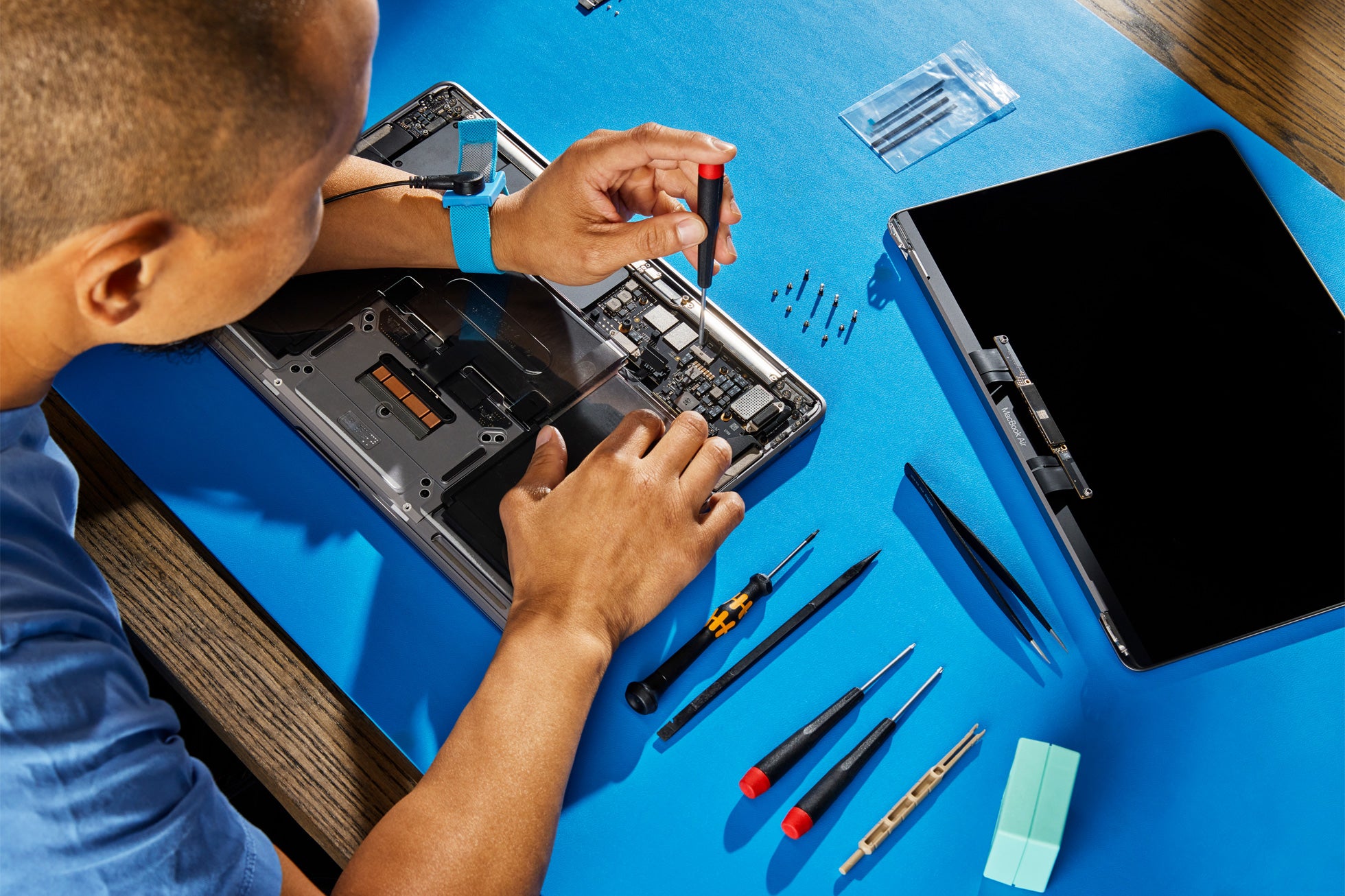
It was announced this week that Apple has extended its self-repair programme to Europe, allowing consumers to purchase parts and manuals from home so they can fix their products themselves. Over the past few years, there has been a growing movement for the right to repair. Supported by companies like Back Market & iFixit, this movement has put Apple in the spotlight. Every year, Apple makes some peculiar design decisions that aren't helpful to repair shops or consumers who might accidentally damage or break their devices. While not easy, it is possible to fix Apple devices, but despite Genius Bar prices driving people to independent repair shops, they do not always have access to the right tools to complete a full repair. That changed earlier this year as Apple announced its self-repair programme in the US, allowing consumers and repair shops to purchase the correct tools and equipment to repair devices, starting with iPhone 12 and M1 MacBooks. Throughout the year Apple has expanded the repair programme to newer devices including iPhone 13 and M1 Pro and M1 Max MacBook Pros. Finally, the expansion of the program has reached Europe. Apple has been heavily invested in becoming more sustainable with its practices and the right to repair has been a big part of it. Being able to replace parts and fix devices helps reduce e-waste dramatically as it means devices will last longer and won't need to be replaced as often. As part of the repair programme, Apple offers credit for customers who send back their old or broken parts so they can be recycled correctly. This is most likely using their robot "Daisy" who can remove rare materials such as gold, neodymium, europium & terbium from devices. Apple's statement: “We believe the best technology for our customers and for the planet is technology that lasts, which is why we design our products to be durable and rarely require maintenance or repair,” said Jeff Williams, Apple’s chief operating officer. “But when a repair is needed, we want customers to have many options for safe, reliable, and secure repair. That’s why we’re excited to launch Self Service Repair in Europe, giving our customers direct access to genuine Apple parts, tools, and manuals.” For us at Klyk, this is positive news as it helps reduce the impact of technology on the planet. It also gives repair shops and refurbishers better access to manuals and genuine parts. While there is still more work to be done in this area by many high-profile companies, it's inspiring to see Apple leading the way for others to follow. See the full press release here: https://www.apple.com/uk/newsroom/2022/12/apple-launches-self-service-repair-in-europe/